What Happens During a Chimney Inspection
A chimney inspection is the cornerstone of fireplace safety, catching hazards you'd never spot on your own. If you've never had one, you might wonder what the technician is actually looking for. Here's a look at what happens during a professional chimney inspection for homeowners in Sunnyvale.
The Three Levels of Inspection
Chimney inspections are commonly grouped into three levels. A Level 1 inspection is the basic annual check for a chimney in regular use with no known problems, covering the readily accessible parts.
A Level 2 inspection is more detailed and includes video scanning of the flue. It's recommended when you change the appliance or fuel, after a chimney fire or major weather event, or when buying or selling a home. A Level 3 inspection is the most thorough and may involve removing parts of the structure to examine hidden areas when a serious hazard is suspected.
Checking the Exterior
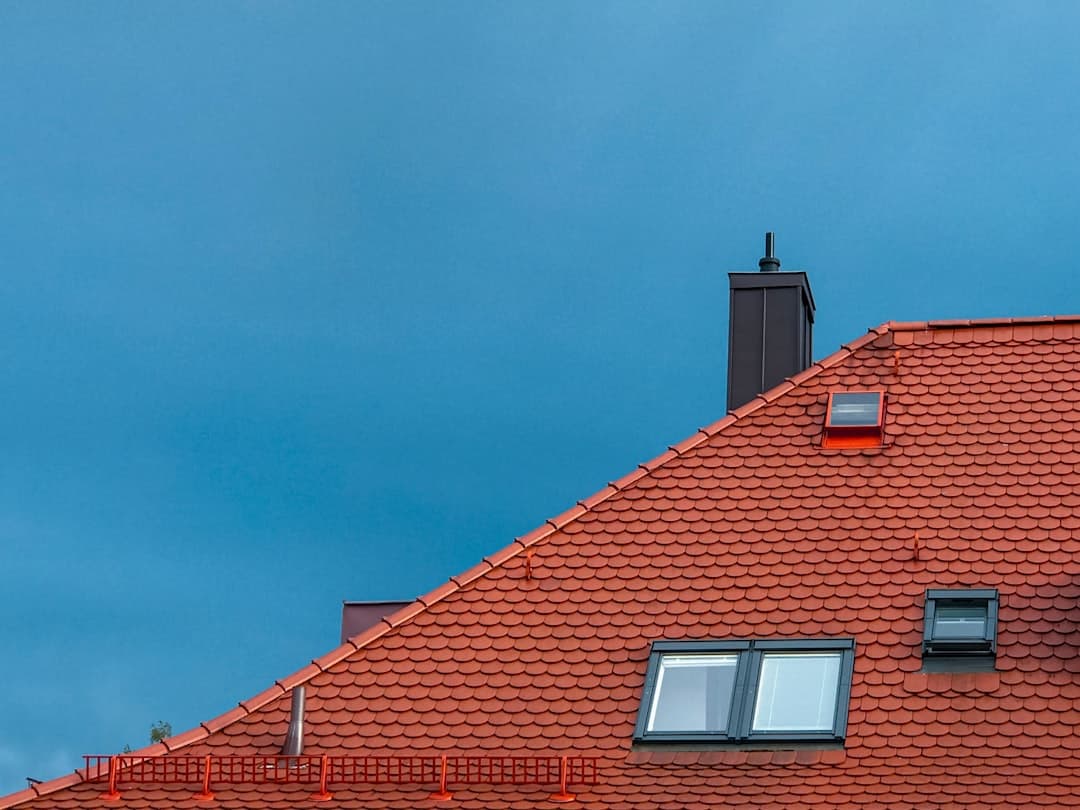
The inspector examines the outside of the chimney first, looking at the masonry, mortar joints, crown, cap, and flashing where the chimney meets the roof.
They're checking for cracks, spalling brick, rust, missing mortar, and any signs of water intrusion. Problems on the exterior often reveal how well the chimney is holding up against the weather. Damaged flashing is an especially common source of leaks, so inspectors pay close attention to that junction with the roof.
Examining the Interior and Flue
Inside, the technician inspects the firebox, damper, smoke chamber, and flue liner. On a more detailed inspection, a special camera is lowered into the flue to reveal cracks, creosote buildup, blockages, or deteriorated liner tiles that can't be seen from below.
This internal view is where many hidden hazards are found, from dangerous creosote deposits to gaps that could let heat reach the home's framing.
Looking for Blockages and Buildup
A key part of any inspection is checking for obstructions and creosote. Birds' nests, leaves, and other debris can block the flue and cause smoke to back up into the home or, worse, contribute to carbon monoxide problems.
The inspector also measures creosote buildup, the flammable residue from burning wood, and advises whether cleaning is needed before the chimney is used again.
The Report and Recommendations
After the inspection, you should receive a clear summary of the chimney's condition, any problems found, and recommended repairs or cleaning. A reputable company explains what's urgent versus what to simply keep an eye on.
This report also serves as documentation, useful for your records, for planning maintenance, and for real estate transactions. Use it to prioritize any work and to schedule your next annual check. Keeping past reports on file also helps you and any technician see how the chimney's condition is changing over time.
A professional inspection gives you confidence that your fireplace is safe to use all season long. Sunnyvale Chimney Repair performs thorough chimney inspections for homeowners across Sunnyvale, CA, with honest, easy-to-understand results. Call 408-214-3077 for a free estimate and schedule yours today.